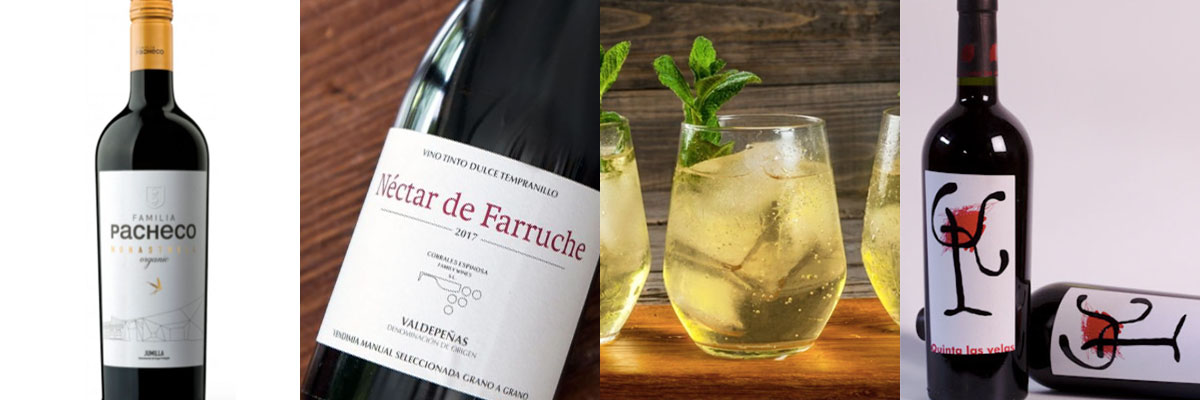
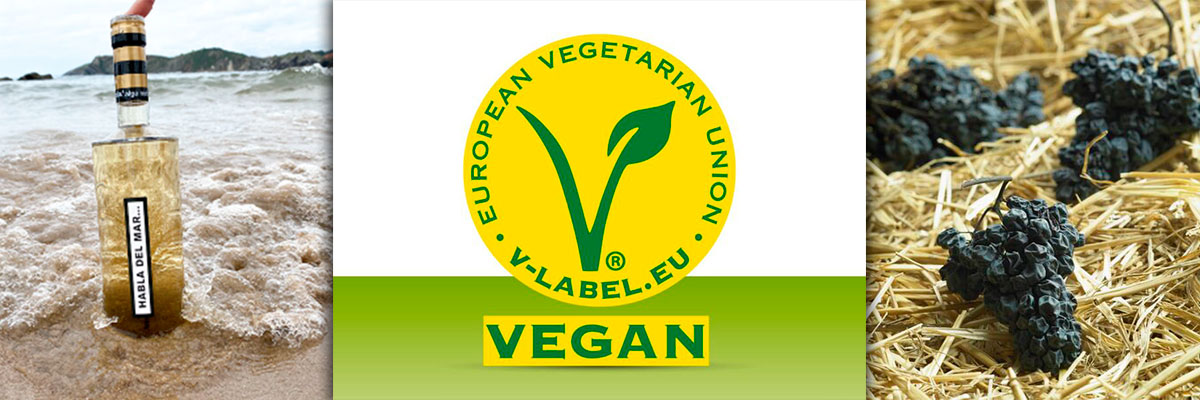

A vegan wine has no animal products involved in its production. Many consumers think that wine is created simply from the interaction between grape juice and yeast and therefore no animal products are involved, but the reality is quite different!
- Clarification – a crucial step to remove unwanted particles and sedimentation, which uses agents such as casein (milk protein), gelatin (animal collagen), albumin (egg protein) and fish glue (gelatin extracted from the swim bladder of fish). The solution: using agents of vegetable or mineral origin such as bentonite and activated carbon. The problem: high costs.
- Use of non-vegan yeasts – the use of yeasts containing nutrients derived from animal products. The solution: Using vegan yeasts without animal nutrients. The problem: The scarcity of this type of yeast.
- Oak barrels – some types are sealed with beeswax or coated with varnishes that may contain animal products. The solution: Using barrels without beeswax or varnishes containing animal products. The problem: Increased costs.
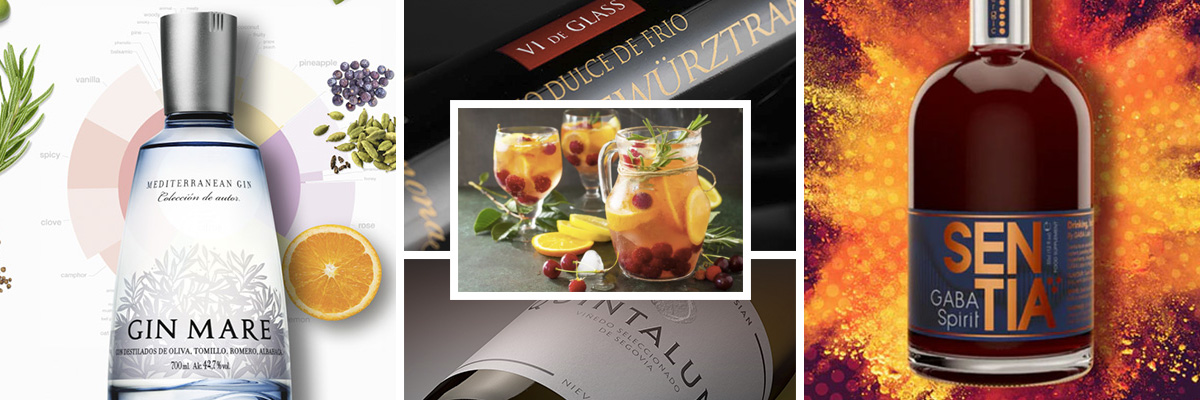
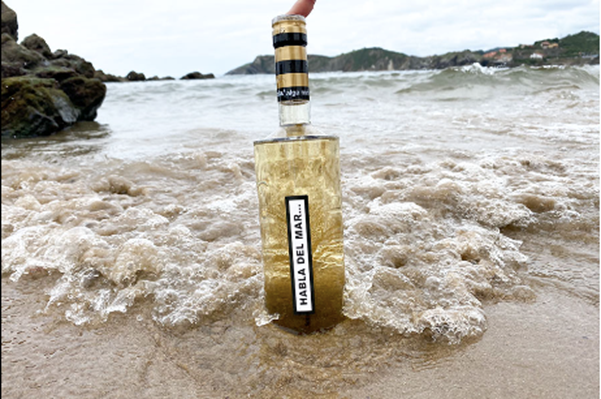
An underwater wine is one that has been aged under the sea. Under these conditions, its maturation process can take place either partially or totally.
Characteristics of Underwater Wine
Stable temperature: The water provides a naturally cool and constant temperature, ideal for slow and uniform aging.
Lack of light: The darkness underwater prevents light from degrading the wine.
Pressure: Higher pressure underwater influences the interaction between the wine and its container.
Movement: Gentle currents can subtly affect the aging process, potentially altering the texture and flavour of the wine.
Flavour Profile
Such agents of the underwater wine aging process evoke smoother, more refined flavours with unique characteristics that cannot be achieved via traditional methods. Opinions surrounding its impact vary, however, as it is often seen as a novelty or a way of creating exclusive, premium products.
It is also important to note that because this method is more niche, experimental and requires a complex production process, the wines often come with a higher price tag.
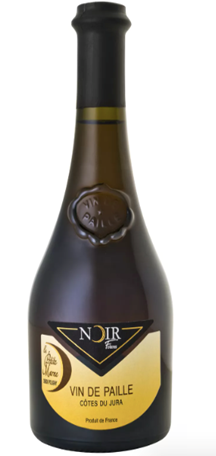
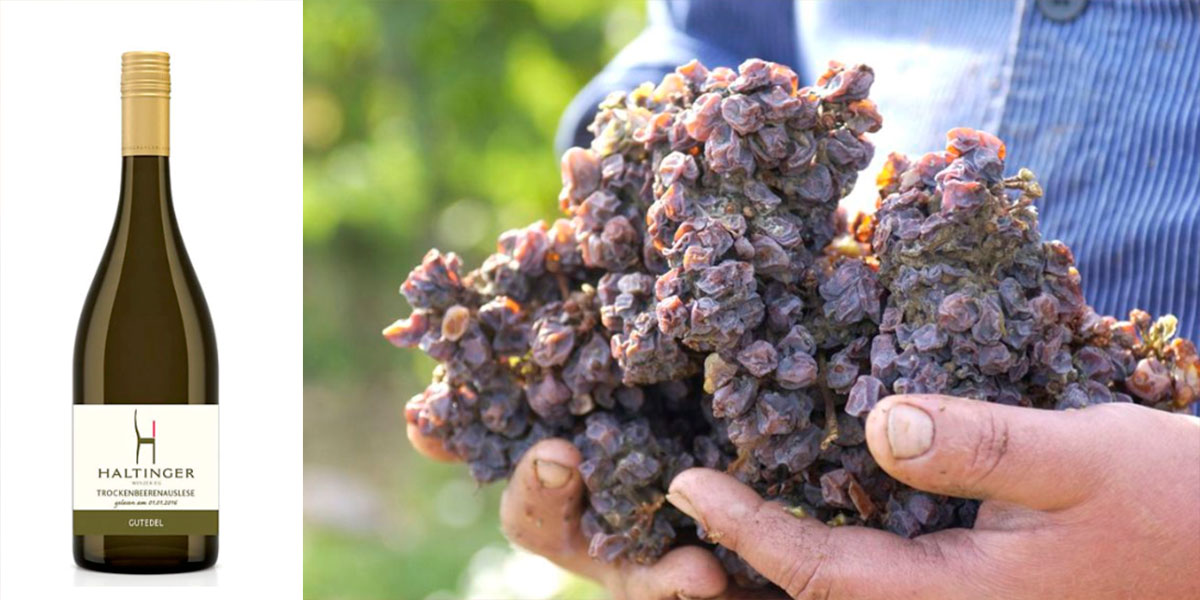
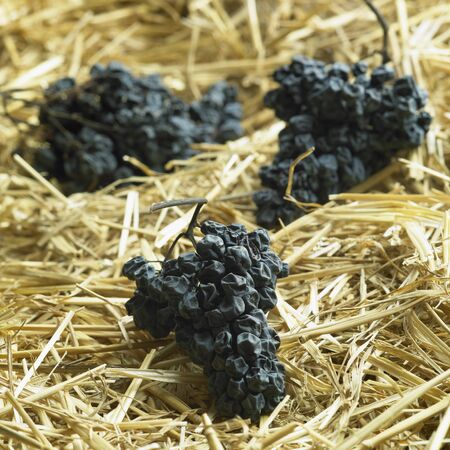
A sweet wine made from grapes that have been dried to concentrate their sugars and deepen their flavour prior to fermentation. The drying process involves placing the grapes on straw mats or hanging them in well-ventilated areas to allow natural dehydration. This process can take weeks or months, depending on the climate and the desired level of sweetness.
The straw absorbs moisture, aiding a more efficient dehydration process.
The dehydration process concentrates the natural sugars, acids and flavours, producing a highly concentrated must (grape juice) that creates sweet, rich, aromatic wines. Common flavours include notes of honey, dried fruits (apricots, figs, raisins) and nuts.
For optimum quality, the grapes must be healthy when they are set out to dry. Noble rot is far from ideal, as it can produce unpleasant effects during the long winemaking process.
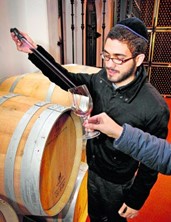
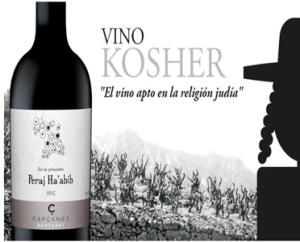
The production of kosher wine is supervised by a rabbi and must adhere to the prerequisites of the Hebrew religion and certain rules called kashrut, meaning that which is “correct” or “appropriate” to be consumed. Everything that complies with the precepts of kashrut will be Kosher.
Firstly, the vines that produce the grapes must be at a minimum of four years’ maturity, whilst more conventional methods only require three. Equally, all vineyard treatments (whether it be pruning, care, etc.) must be carried out by Jews, from the vine to the opening of the bottle. The grapes must be harvested by hand and carefully treated so that they arrive to the winemaking process healthy and intact. Vinification must be done in stainless steel vats instead of wooden barrels and use Bentonite clay mineral to purify the wine. No non-Jewish person is allowed to see the wine, so monitoring is carried out by a wine expert who informs the rabbi on how to proceed. Once the wine is bottled, 1% is sold for the benefit of the poor, and if the rabbi is satisfied that its production has complied with all the rules, he will stamp it with the Kosher seal. To maintain its sacred status, the bottle of Kosher wine must be opened by a Jew, but once it is opened it can be enjoyed by all.